This series is a visual exploration of the cycles between hope, ideology, and reality in the Soviet era. Warm orange light evokes the revolutionary force of upheaval, destruction, and transformation, while the recurring motif of a flower symbolizes renewal emerging from turmoil.
Harsh flashes of white light interrupt moments of calm and collective dreaming, revealing hardship, discipline, and the weight of reality, while blue-lit scenes with smoke evoke faith, aspiration, and the energy of shared ideals. As the series progresses, these dreams grow quieter, more contemplative, and increasingly fragile, reflecting a subtle loss of confidence and a growing disconnection.
Ultimately, the figure walks away through the glowing passage, signaling the end of an era. The cycle closes, leaving behind the fading echoes of collective dreams and the quiet promise of something new.
Published in: Vigour Magazine (December 2025)
Creative Director & Photographer: Daniil Vega
Model: Varvara Lartseva
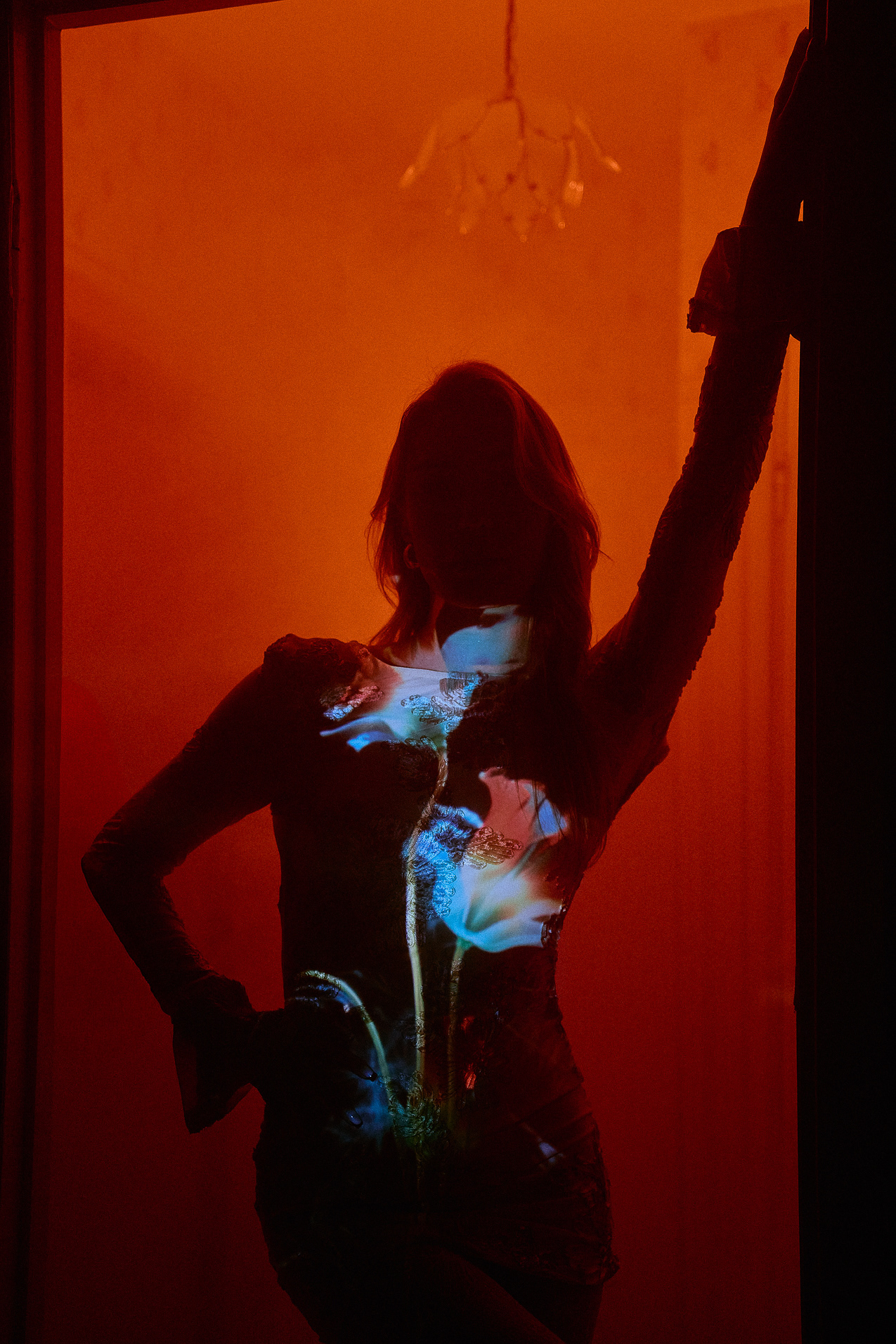
Frame 1 — Birth Through Revolution (1917)
The orange background evokes revolution — violent, irreversible, and world-changing. It is the color of upheaval, blood, and radical transformation.
A flower projected onto her dress becomes a symbol of birth emerging from destruction: the Soviet Union is born through revolution, carrying both hope and the cost of its creation.
A flower projected onto her dress becomes a symbol of birth emerging from destruction: the Soviet Union is born through revolution, carrying both hope and the cost of its creation.
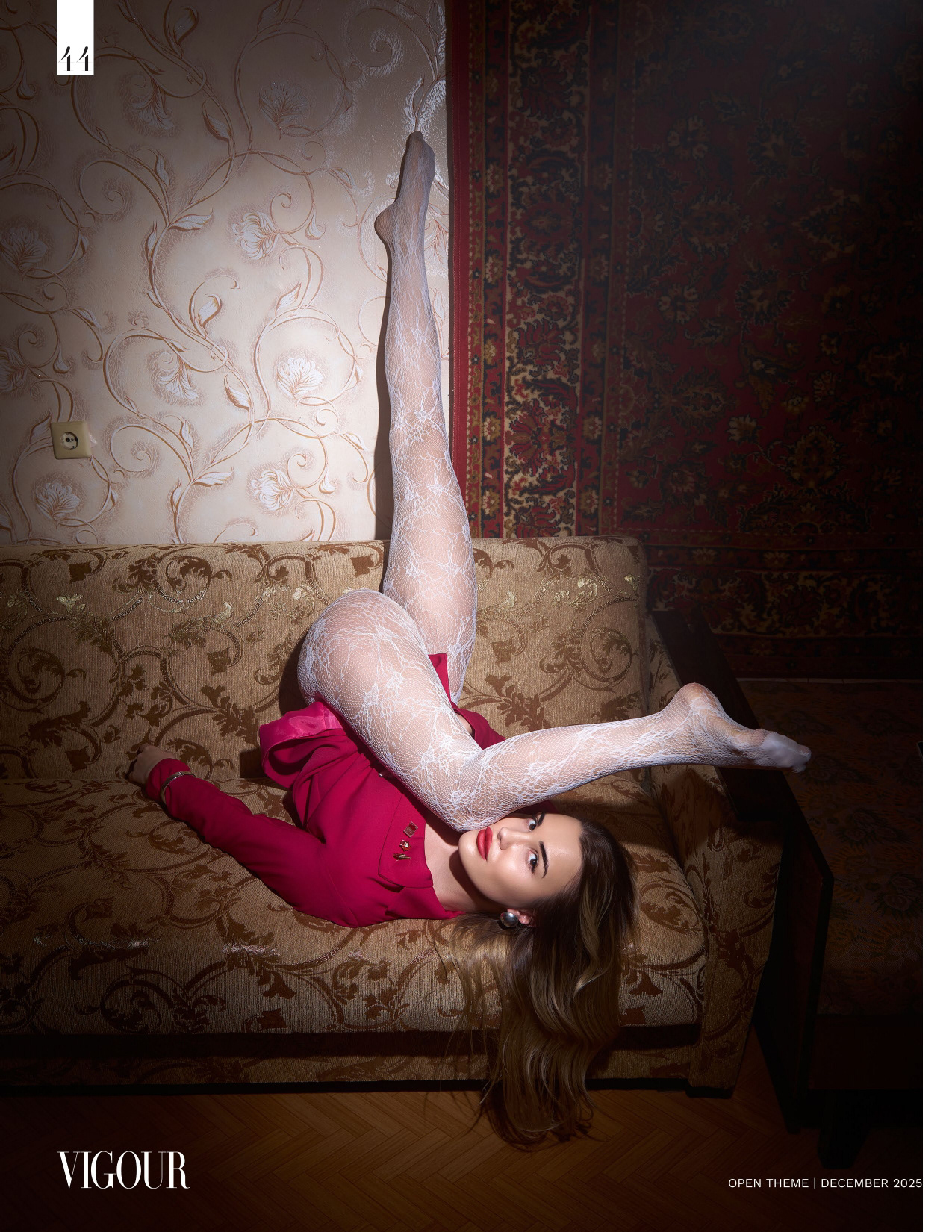
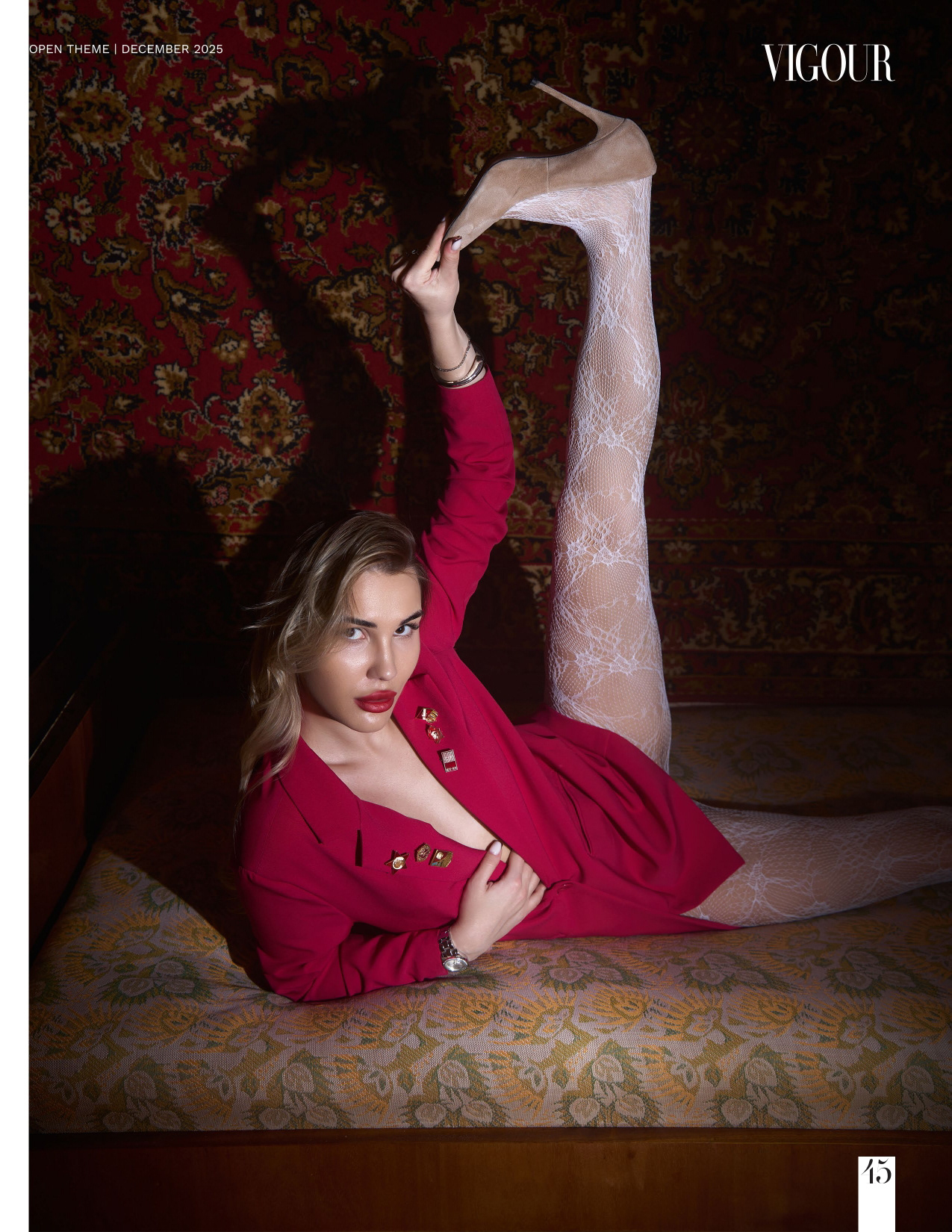
Frames 2–3 — Forged by Reality (1920s–1950s)
Harsh white light dominates these images.
Bodies appear distorted, inverted, and unnatural. The poses deny balance and autonomy, reflecting a time when individuals no longer belonged to themselves but were subordinated to the system.
This era embodies collectivization, repression, war, and survival — a society formed through discipline, fear, and total control.
Bodies appear distorted, inverted, and unnatural. The poses deny balance and autonomy, reflecting a time when individuals no longer belonged to themselves but were subordinated to the system.
This era embodies collectivization, repression, war, and survival — a society formed through discipline, fear, and total control.


Frames 4–5 — Faith in the Future (1950s–1970s)
Blue light, smoke, and the projection of “USSR” define this chapter.
These images reflect a period of recovery and ascent after war — an era of scientific breakthroughs, industrial growth, and the arms race.
The poses are upright and confident, expressing belief in strength, progress, and the idea of a great country. The blue color and haze suggest a state of collective dreaming, ideological euphoria, and faith in socialism as a fulfilled promise.
These images reflect a period of recovery and ascent after war — an era of scientific breakthroughs, industrial growth, and the arms race.
The poses are upright and confident, expressing belief in strength, progress, and the idea of a great country. The blue color and haze suggest a state of collective dreaming, ideological euphoria, and faith in socialism as a fulfilled promise.
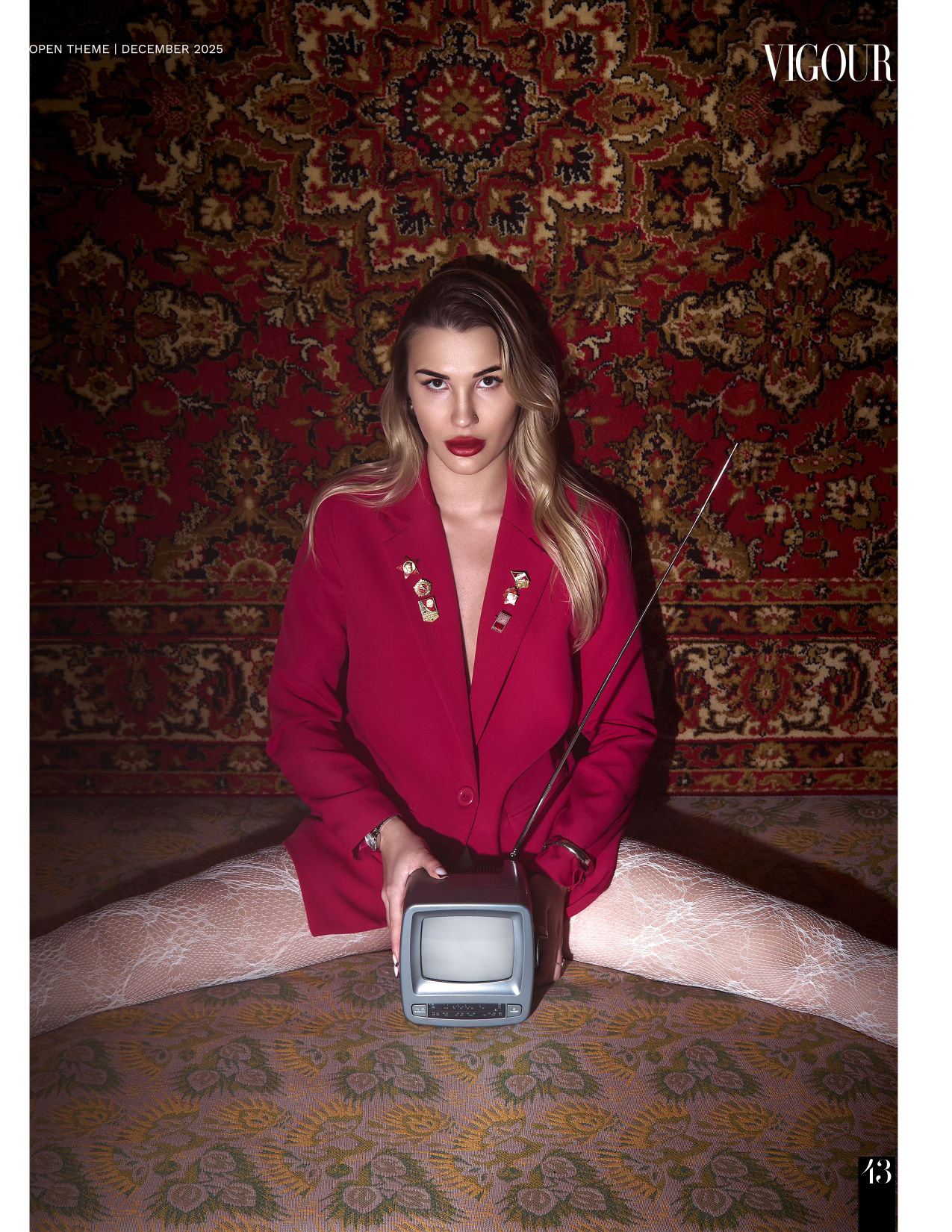
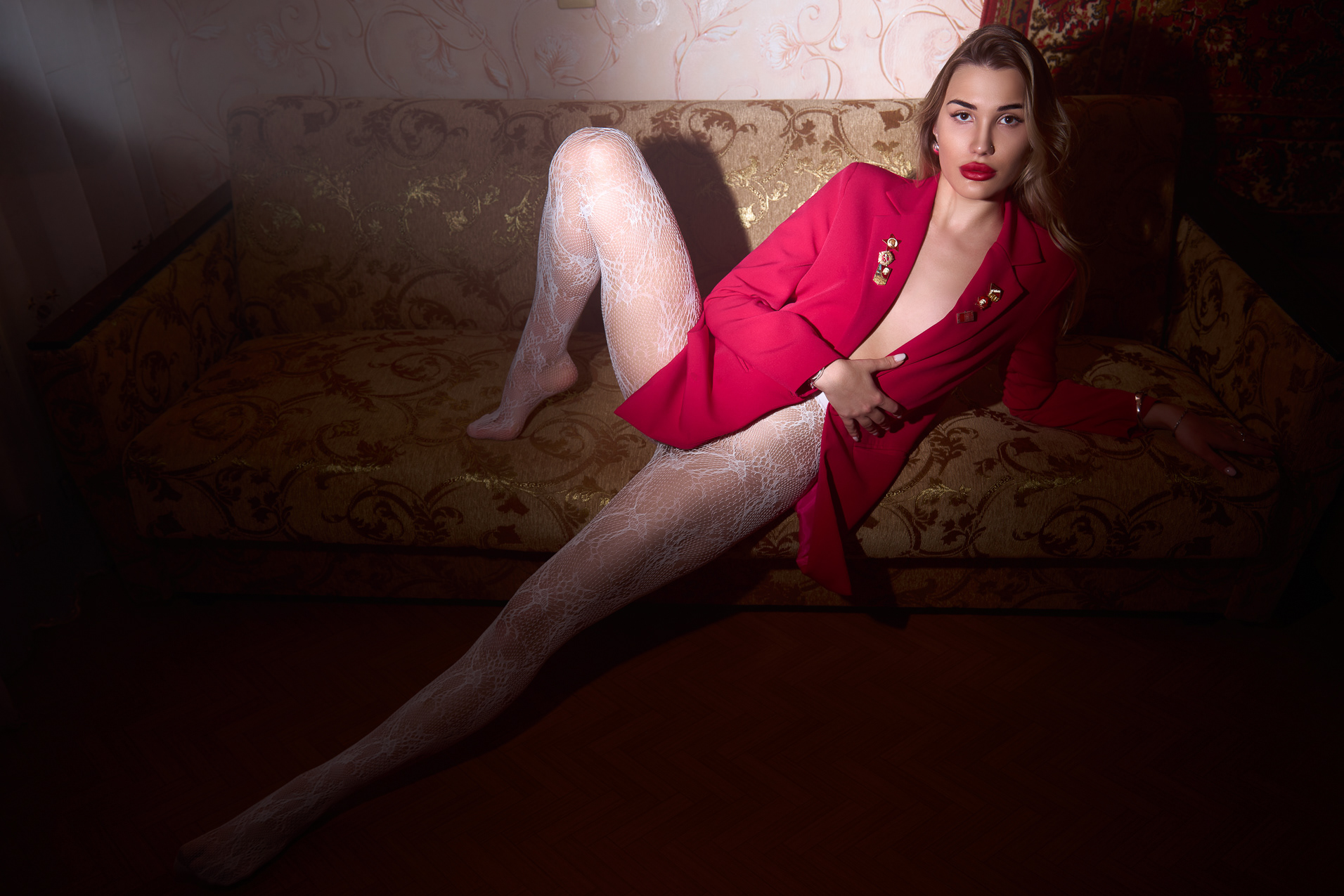
Frame 6–7— Reality Strikes Again (1970s–1980s)
A harsh white flash cuts through the calm blue dream.
People are pulled back into reality from their ideological visions. Stability becomes the primary goal — the future is uncertain, but catastrophe is absent.
Private life takes precedence over ideas. Cynicism replaces faith, yet there is no rebellion. Shortages, formalism, and widely understood lies shape everyday existence.
People are pulled back into reality from their ideological visions. Stability becomes the primary goal — the future is uncertain, but catastrophe is absent.
Private life takes precedence over ideas. Cynicism replaces faith, yet there is no rebellion. Shortages, formalism, and widely understood lies shape everyday existence.
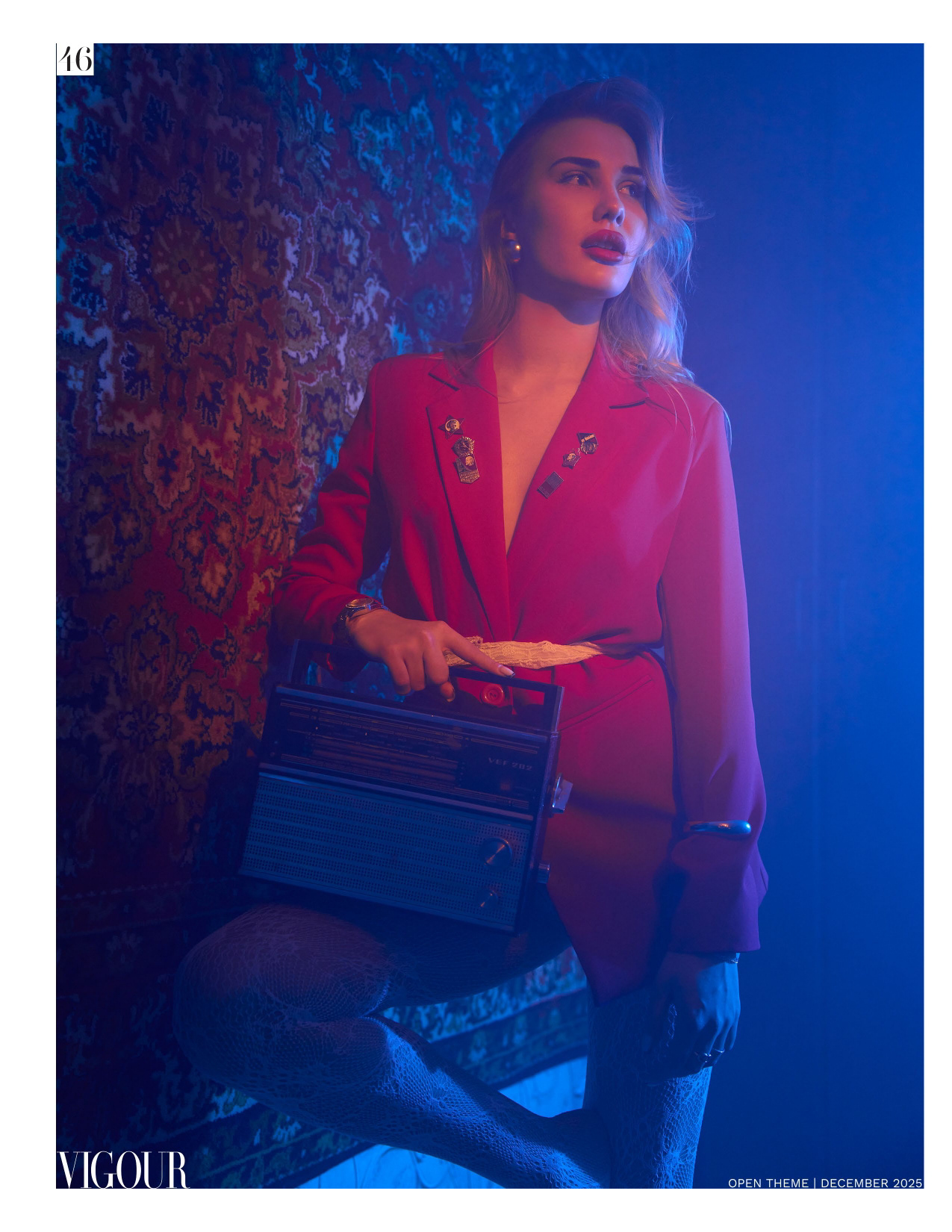
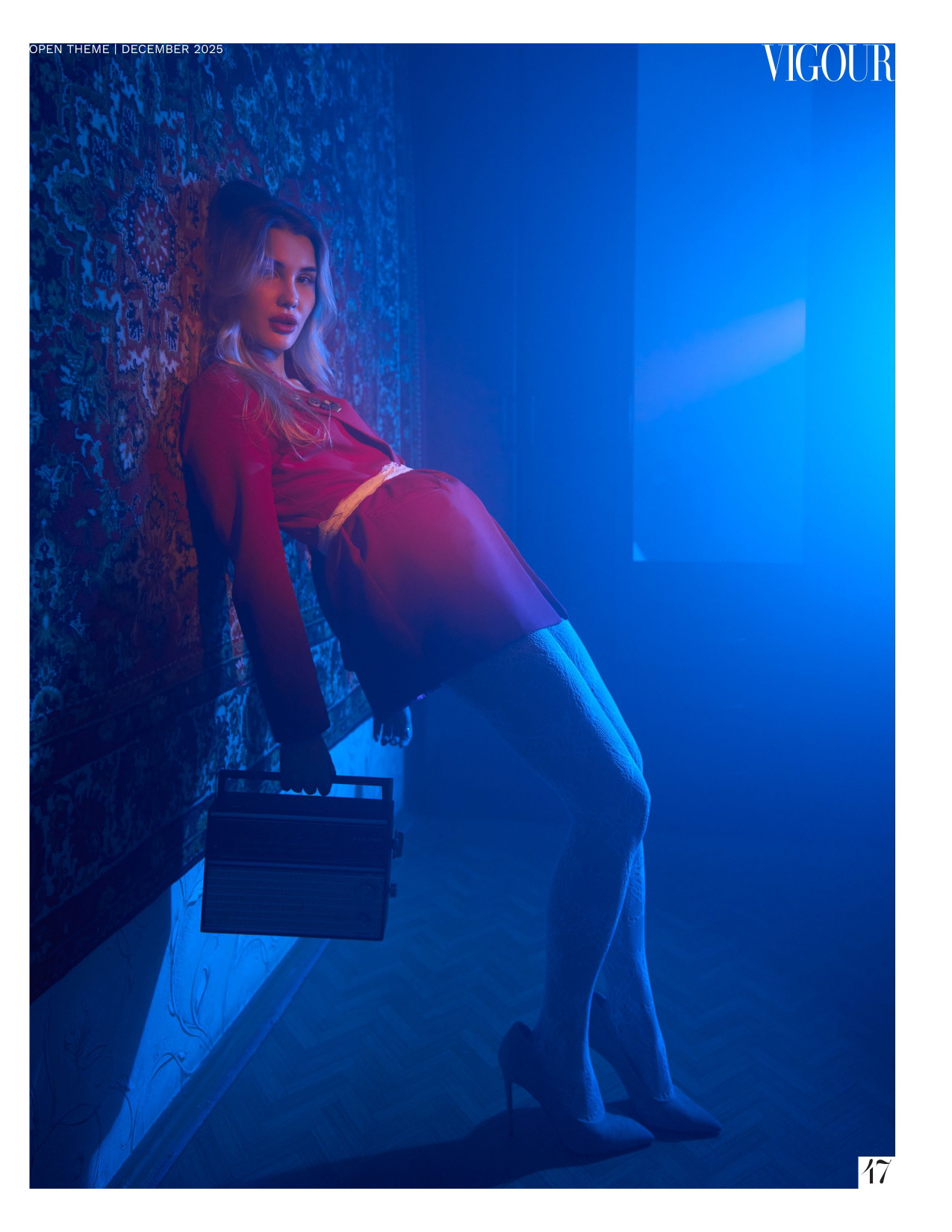
Frame 8–9 — Empty Dreams (mid–1980s–early 1990s)
Blue light and smoke fill the frame, but the energy is muted.
People return to dreams, yet they are hollow — poses are weak, fragmented, and lack confidence. There is no belief in a bright future; individuals are disconnected, disoriented, and looking toward Western values, reform, and uncertain leadership.
People return to dreams, yet they are hollow — poses are weak, fragmented, and lack confidence. There is no belief in a bright future; individuals are disconnected, disoriented, and looking toward Western values, reform, and uncertain leadership.
Hope lingers, but the collective dream crumbles. Collapse is imminent, already felt by all.
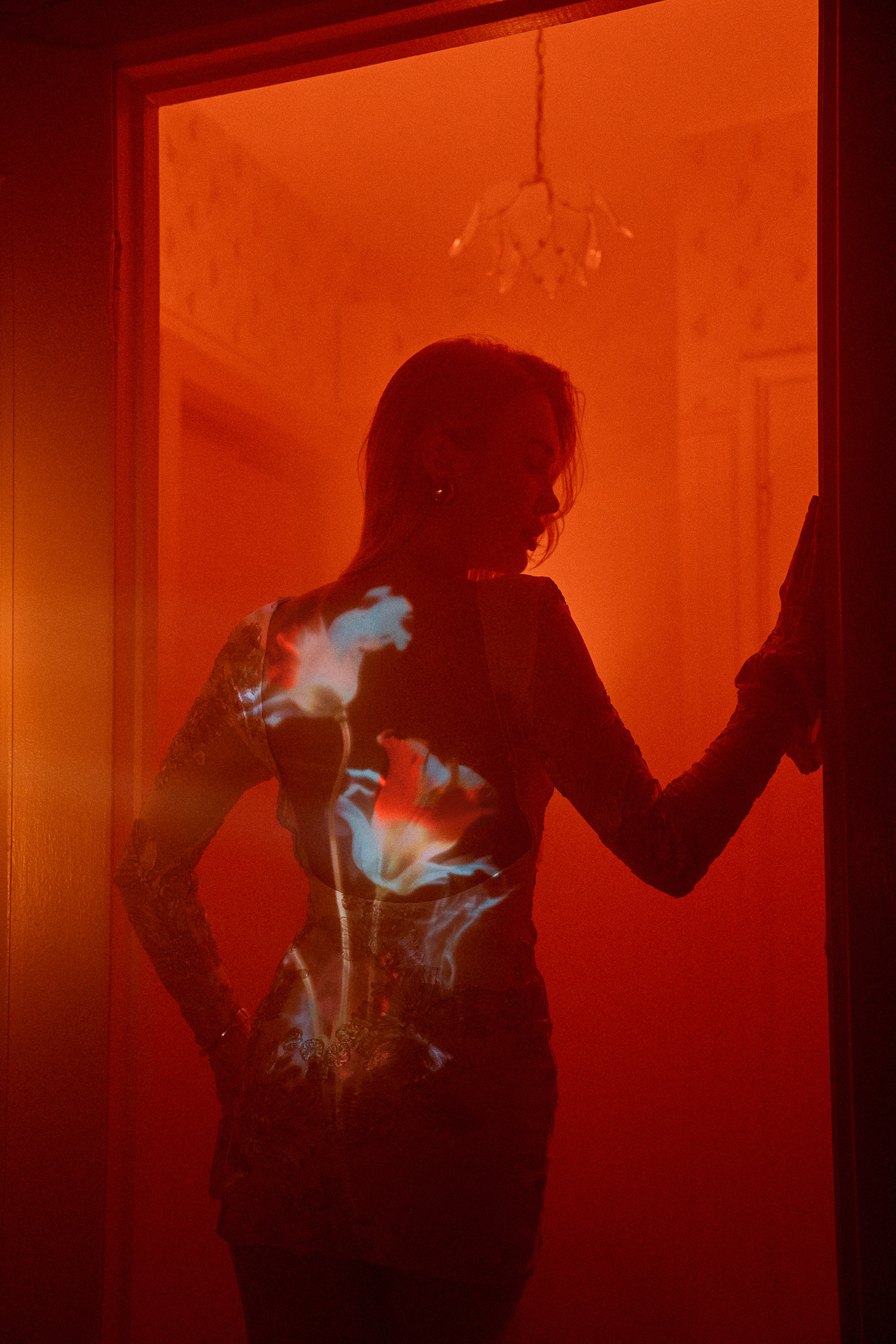
Frame 10 — Revolution Repeats (1990s)
Once again, the color of revolution fills the space — not a start, but a break. The cycle closes, and the future is unknown.
The collapse of the Soviet system leads to another radical transformation, painful and uncertain.
The flower appears again, now signaling not ideology, but renewal itself. As the figure walks away into the light, one era ends and a new, undefined future begins.
The flower appears again, now signaling not ideology, but renewal itself. As the figure walks away into the light, one era ends and a new, undefined future begins.